
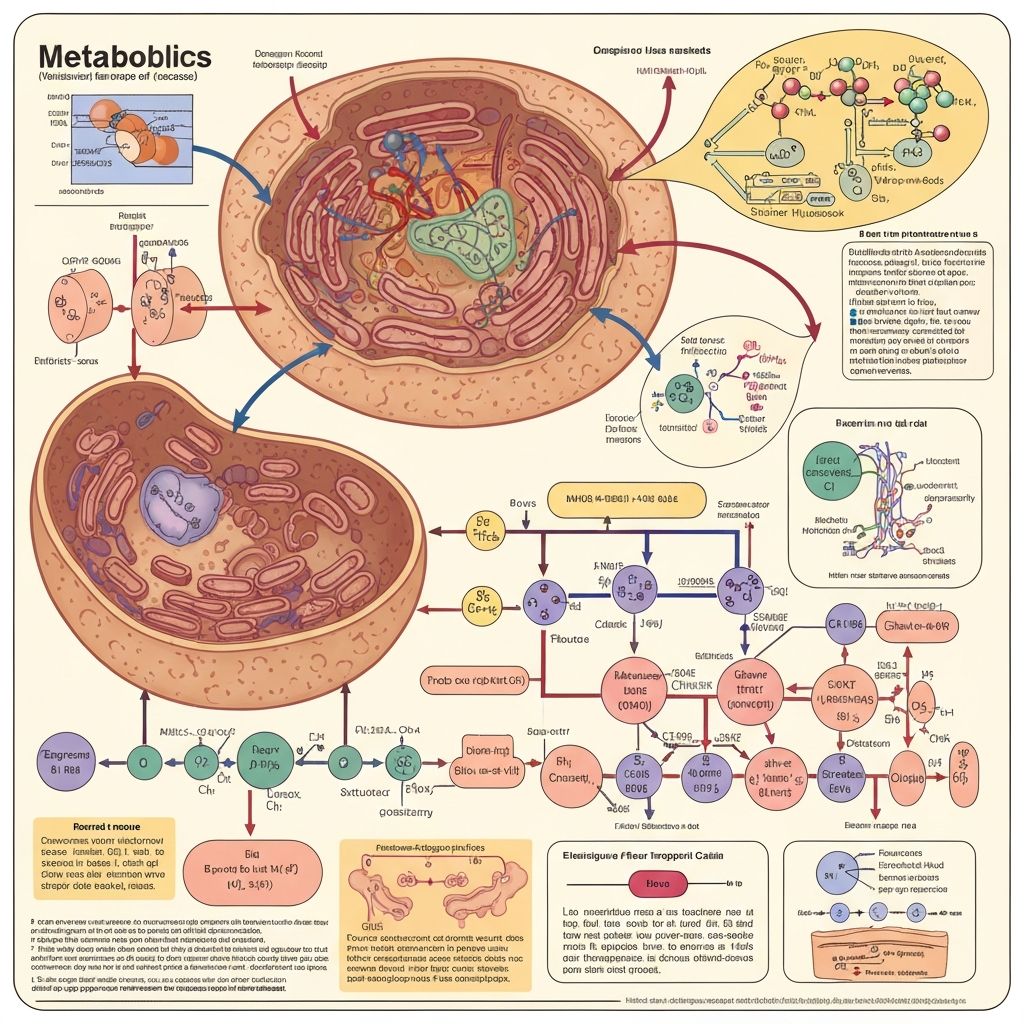
Fundamentals Of Metabolic Function
Metabolism encompasses the complex biochemical processes by which the human body converts consumed food and stored energy into usable energy for cellular function, movement, and maintaining bodily systems. Understanding metabolic processes is fundamental to comprehending how dietary choices and physical activity influence overall health and energy availability.
What Is Metabolism?
Metabolism refers to the sum of all chemical reactions occurring within cells to sustain life. These reactions can be broadly categorised into two types: catabolic reactions, which break down molecules to release energy, and anabolic reactions, which construct larger molecules from smaller units, requiring energy input.
When food is consumed, digestive enzymes break macronutrients into their basic components: carbohydrates become glucose, proteins become amino acids, and fats become fatty acids and glycerol. These components then enter metabolic pathways where they are transformed into energy (in the form of ATP, adenosine triphosphate) or stored for future use.
Basal Metabolic Rate
Basal metabolic rate (BMR) represents the amount of energy expended by the body at rest to maintain essential physiological functions. These functions include cellular processes, protein synthesis, maintaining ion gradients, circulation, respiration, and nervous system activity. BMR accounts for a significant portion of daily energy expenditure, particularly in sedentary individuals.
BMR is influenced by several factors: body composition (muscle tissue is metabolically more active than fat tissue), age (BMR typically decreases with age due to changes in body composition and hormonal shifts), sex (males typically have higher BMR due to greater average muscle mass), genetics, hormonal status, and environmental temperature.
Factors Influencing Metabolic Rate
Physical Activity: Exercise increases energy expenditure both during activity and through post-exercise metabolic elevation (excess post-exercise oxygen consumption). Resistance training can increase resting metabolic rate by increasing muscle mass, a metabolically active tissue.
Dietary Composition: The thermic effect of food (energy required to digest, absorb, and process nutrients) varies by macronutrient. Protein has the highest thermic effect, followed by carbohydrates, then fats. This means consuming adequate protein increases overall energy expenditure relative to other macronutrients.
Hormonal Status: Thyroid hormones significantly influence metabolic rate. Insulin, glucagon, and cortisol affect how the body stores and utilises energy. Hormonal changes across the menstrual cycle, during menopause, or with thyroid dysfunction can influence metabolic efficiency.
Nutritional Status: Severe caloric restriction or prolonged undernourishment can downregulate metabolic rate as an adaptive response. Conversely, adequate nutrition supports normal metabolic function.
Energy Pathways
The body utilises three primary energy systems: the ATP-creatine phosphate system (immediate energy for brief, intense activities), anaerobic glycolysis (short-term energy from glucose without oxygen), and aerobic oxidation (sustained energy production using oxygen to metabolise carbohydrates, fats, and proteins).
During low-intensity, prolonged activities, the body preferentially oxidises fats. During higher-intensity exercise, carbohydrate oxidation increases. The specific fuel utilised depends on activity intensity, exercise duration, nutritional status, and training adaptations.
Individual Variation
Metabolic rate varies substantially between individuals due to genetic factors, physical fitness level, body composition, age, sex, and lifestyle factors. Two individuals of similar height and weight may have substantially different metabolic rates due to these variables. This biological variation emphasises the importance of individualised approaches rather than population-based assumptions about energy requirements.
Educational Context
This article explains metabolic processes from a scientific perspective. Individual metabolic responses to dietary changes or increased activity are influenced by numerous factors and vary considerably. Personalised guidance should be sought from qualified healthcare professionals for decisions regarding individual dietary or activity modifications.